
Source: Apple.
In what I expect will be an overarching theme at WWDC 2026, Apple’s Accessibility group took the wraps off an impressive collection of features coming later this year. The announcement, which is timed to lead into Global Accessibility Awareness Day on Thursday, emphasizes existing features and technologies that the company says will gain deeper capabilities thanks to Apple Intelligence.
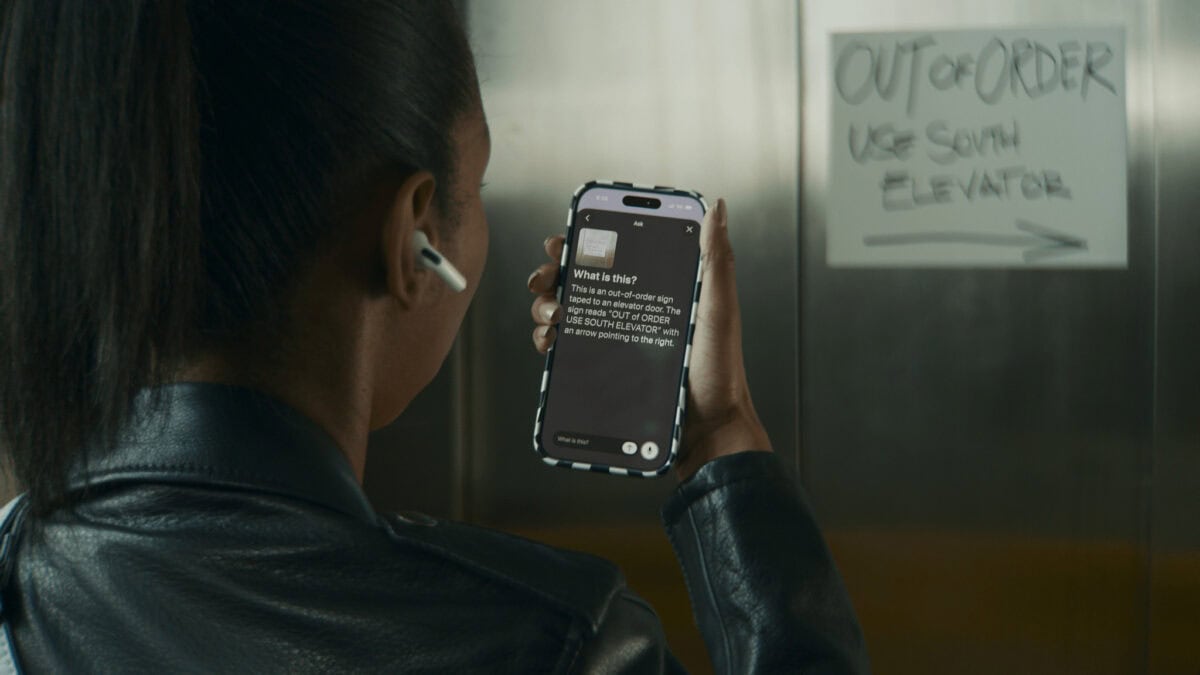
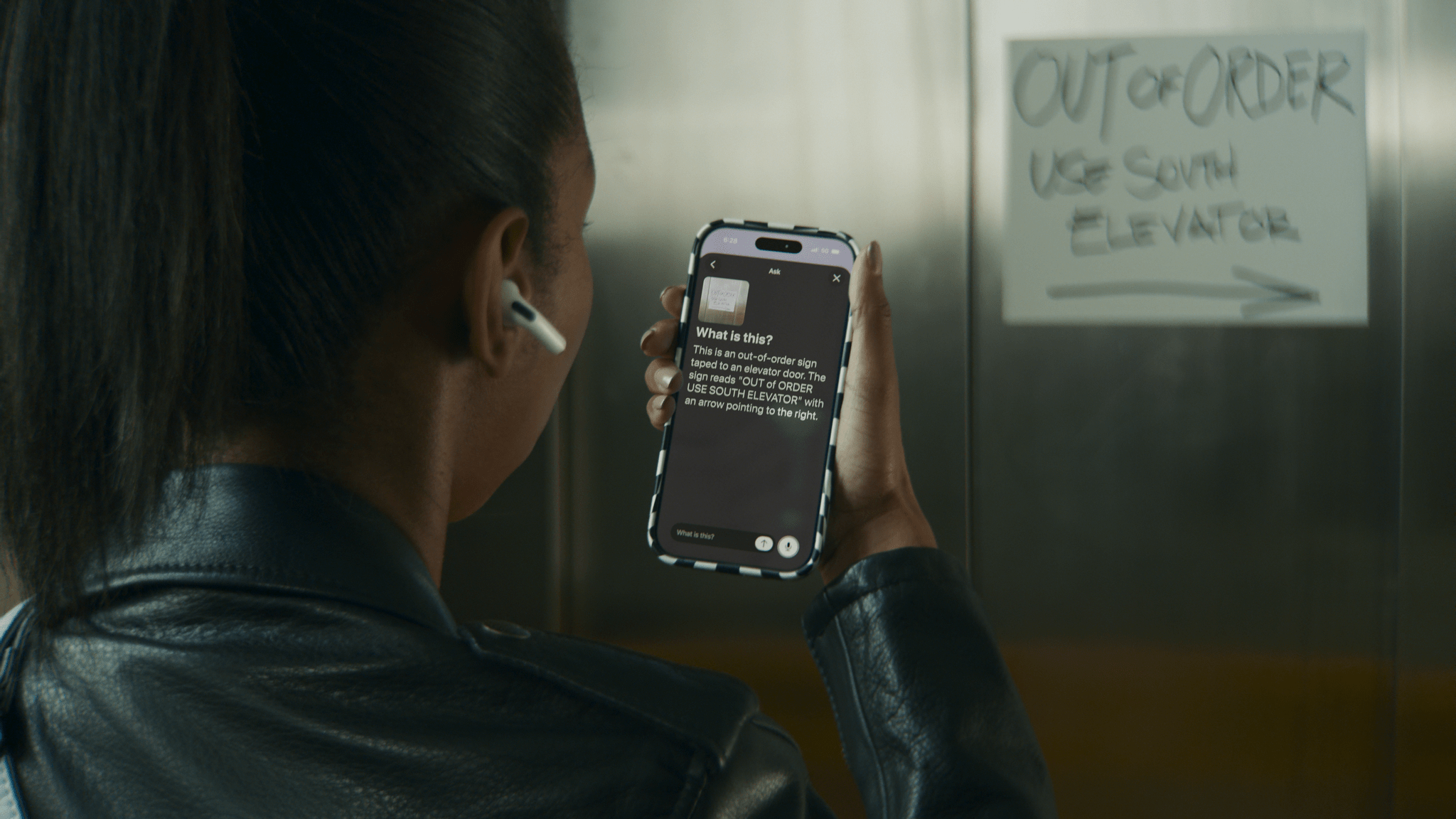
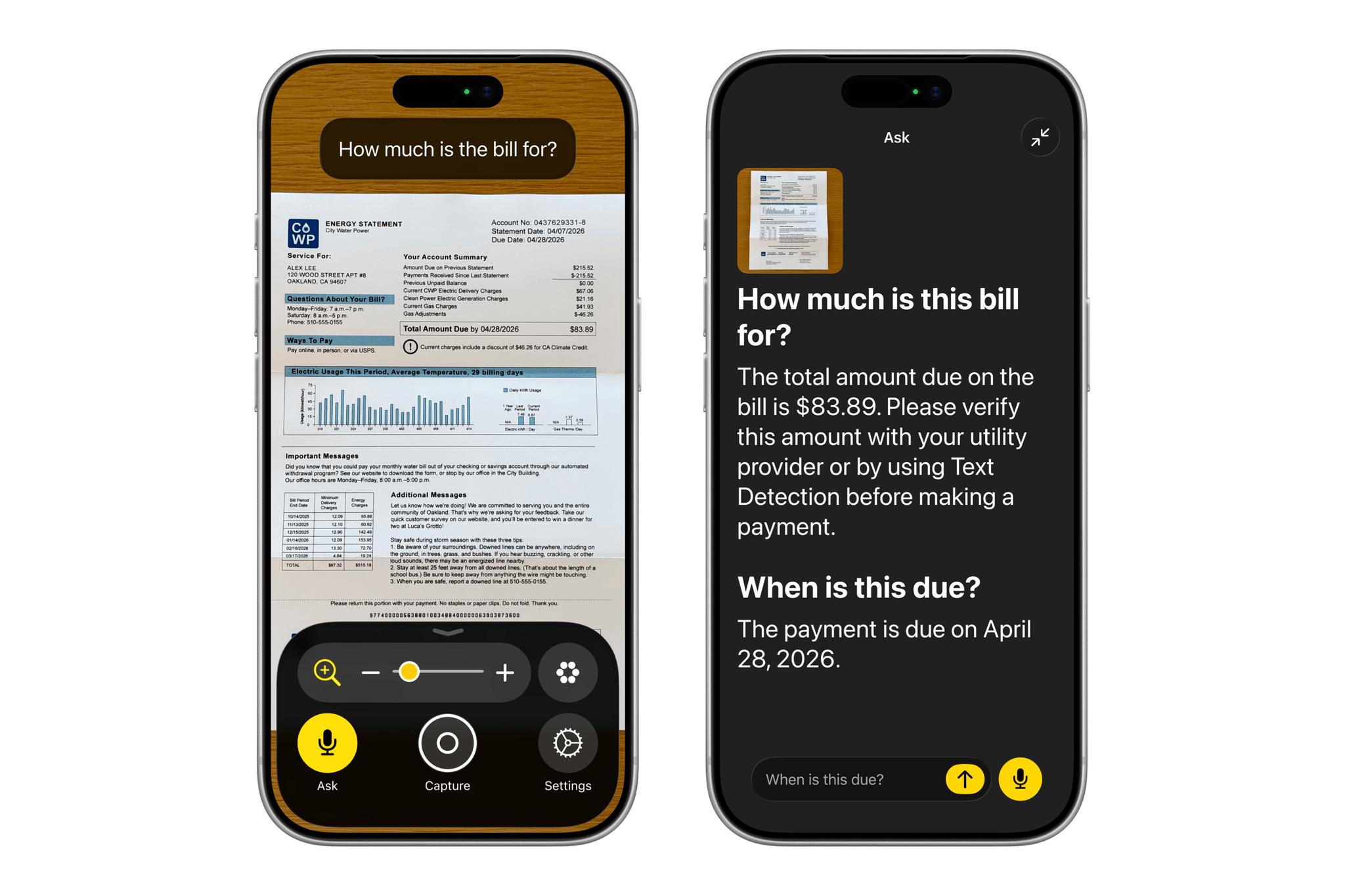
For starters, VoiceOver will become more descriptive, allowing a device’s camera to be used to describe the user’s surroundings or a scanned document in greater detail. The feature will also make use of the Action button to trigger the camera and allow users to ask questions and make follow-up inquiries about what’s in the viewfinder. The Magnifier will gain voice controls, too, so users can simply ask it to zoom in, for example.
Source: Apple.
Voice Control will get similar enhancements. Rather than requiring a defined set of commands that need to be memorized to control a device, the feature will allow users to invoke actions with natural language, such as, “Tap the orange folder.”
Accessibility Reader will be able to handle more complex written layouts that include tables, columns, and other traditionally challenging formatting. If there’s one thing that LLMs have become extremely good at, it’s scraping the web and learning how to parse the meaningful parts of a webpage. While I’d have preferred that the web not have been pillaged as fuel for models in the first place, I’m glad at least part of that is going towards making the web and other text more readable for people who need it.
One of my favorite demos that Apple showed off during my briefing was a short video shot on an iPhone that had subtitles added to it on the fly using an on-device model. We’ve grown so accustomed to subtitles being available with the TV shows, movies, and YouTube videos we watch that they feel like they’re missing from the home movies we shoot and share with friends and family. Later this year, though, subtitles will be available for all types of video, generated privately on device.
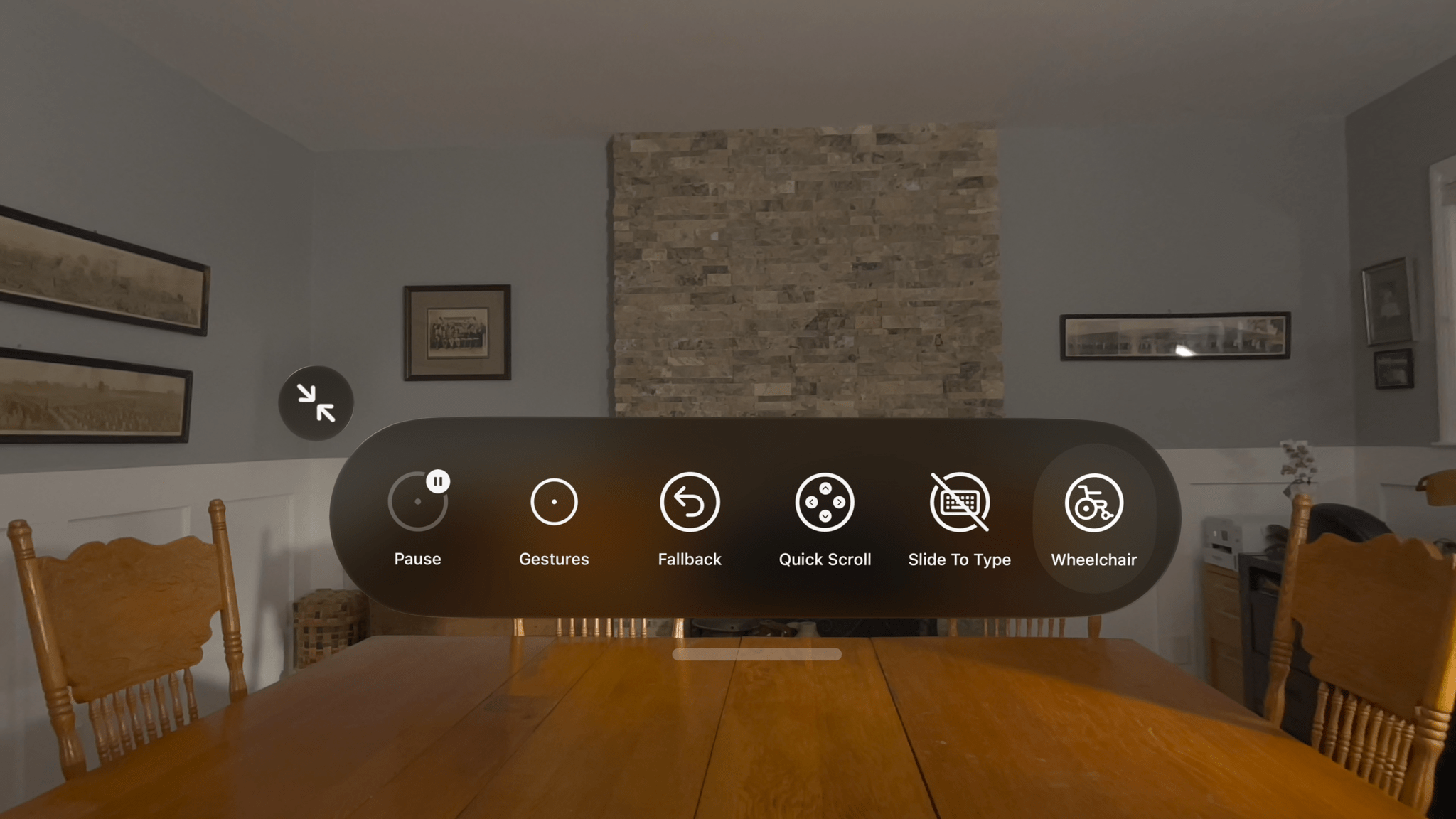
Vision Pro wheelchair control. Source: Apple.
The Vision Pro uses state-of-the-art eye tracking for interacting with your environment. Apple announced that it is extending that technology to motorized wheelchairs by working with partners TOLT Technologies and LUCI. The system allows a motorized wheelchair to be maneuvered by the user simply looking at controls inside the Vision Pro. The video showing off the feature was impressive and makes perfect sense if you’ve ever used the Vision Pro.
Apple also announced a new accessory with an accessibility angle. You may have seen the Hikawa Grip and Stand collection, a series of colorful accessories designed to make it easier for people to hold an iPhone more securely. Designed late last year by artist Bailey Hikawa, the Hikawa Grip and Stand is being mass-produced by PopSockets and sold in Apple retail stores in 20 markets starting today.
Finally, a bunch of other accessibility features are coming to Apple platforms later this year, including:
- Vehicle Motion Cues, face gestures for taps, and eye-select in Dwell Control for visionOS,
- Touch Accommodations setup customization,
- Improvements to MFi hearing aid pairing and handoff across devices,
- Larger Text support in tvOS,
- Name Recognition in over 50 languages,
- An API for adding human sign language interpreters to FaceTime, and
- Support for Sony’s Access game controllers on iOS, iPadOS, and macOS.
With all the overblown hype surrounding artificial intelligence, it’s refreshing to see Apple putting it to practical use in ways that are meaningful to its users. One thing I’ve learned from following the work of Apple’s Accessibility team over the years is that there’s no one-size-fits-all approach to accessibility. The solutions are as unique as the people they serve. Apple has always offered a wide range of APIs and user features to make their hardware and apps available to as many people as possible, but Apple Intelligence promises to take the company’s longstanding commitment and make it more flexible and powerful for more people than ever before.