


The Mac Pro, one of Apple’s most iconic computers, seemed to have its days numbered. Earlier this month, the company had already dropped another hint with the discontinuation of the Pro Display XDR, which was replaced by the new Studio Display XDR. But the news is now official.
On Thursday, Apple officially confirmed to Macworld that the Mac Pro has been discontinued. The company has also removed the product from its online store, putting an end to the last remaining desktop Mac in Apple’s lineup that still carried the “Pro” name in its most traditional sense.
While the move may seem abrupt, especially with Apple’s 50th anniversary just days away, the reality is that the Mac Pro’s fate had been sealed for quite some time.
A long goodbye for Apple’s most ambitious Mac
The Mac Pro has always represented Apple’s most powerful and flexible computer. From the aluminum towers of the 2000s to the controversial cylindrical design in 2013 and the return to modularity in 2019, the Mac Pro was built for professionals who needed uncompromising performance. Read our Towers of Power (now) complete history of Apple’s sometimes inglorious forays into the professional workstation market.
When Apple reintroduced the Mac Pro in 2019 alongside the Pro Display XDR, it was a statement. After years of neglecting high-end users, the company was ready to win them back with a truly modular system designed for demanding workflows like film production, 3D rendering, and audio engineering.
But that strategy was short-lived.
The Mac Studio changed everything
Just a year after introducing the redesigned Mac Pro, Apple revealed its plans to shift from Intel processors to its own Apple Silicon chips. In November 2020, the company announced the first Macs with the M1 chip.
The M1 was never a chip designed for high-end users, but the leap in performance was so significant that many professionals realized they could do photo and video editing, coding, and other demanding tasks on these Macs without needing a super expensive computer.
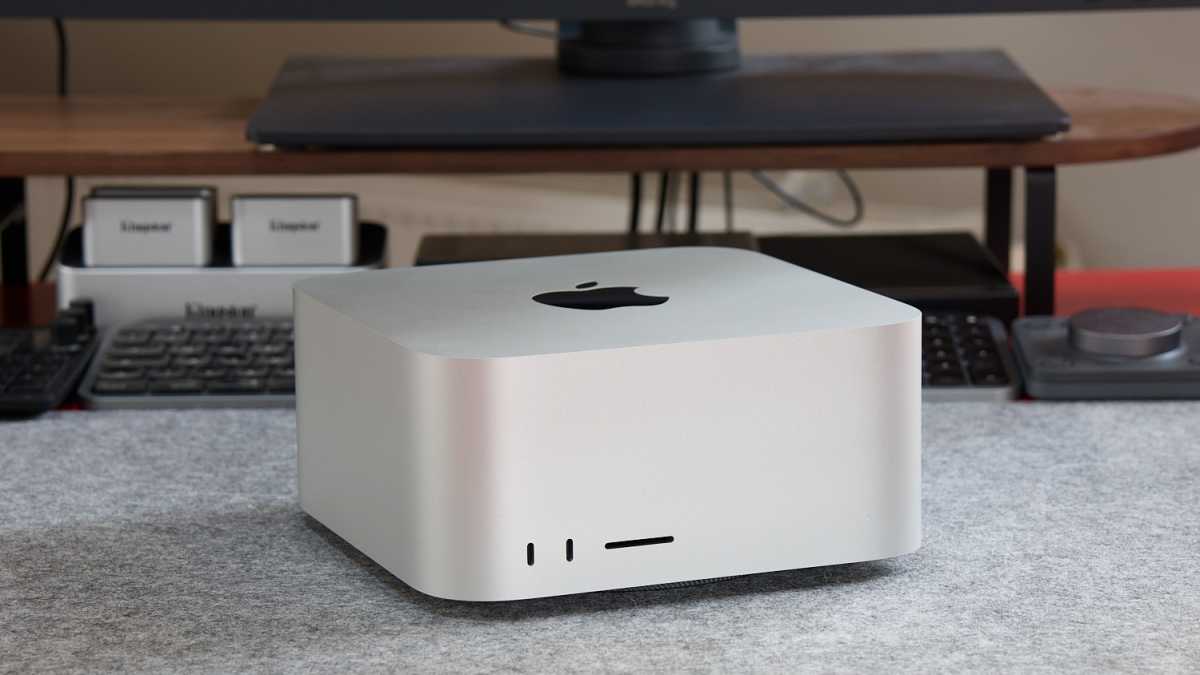
Apple Silicon has made the Mac Studio as powerful as the Mac Pro.
Thomas Bergbold
But it was in 2022 when the Mac Pro’s fate seemed to be in jeopardy. The arrival of the Mac Studio reshaped Apple’s professional desktop strategy. While the Mac Pro was still based on an old Intel processor, the first Mac Studio had an M1 Ultra chip that outperformed Apple’s super-expensive desktop tower.
Apple’s silicon roadmap has made the Mac Studio powerful enough to replace the Mac Pro for most people. For less than half the price and a fraction of the footprint, customers could finally buy a Mac that was even faster than the Mac Pro.
Eventually, Apple put its own chip inside the Mac Pro, but Apple silicon didn’t have the same impact. It ran the same M2 Ultra chip as the Mac Studio, and the main difference between the Mac Pro and the Mac Studio was the ability to add internal storage and PCIe expansion cards. And it still cost thousands more than the Mac Studio.
The dreams of a workstation chip or standalone graphics didn’t come to pass. For the vast majority of users, that wasn’t enough to justify the higher price tag.
The signs were always there
While the Mac Pro hasn’t seen an update since 2023, Apple continued to refresh the rest of the desktop Mac lineup with newer and more efficient chips.
By the time Apple refreshed the Mac Studio with M3 Ultra and M4 Max, it became obvious that the company no longer saw a future for the Mac Pro. The Mac Studio powered by the M3 Ultra chip outperformed the Apple Silicon Mac Pro in pretty much every benchmark, but at a fraction of the price.
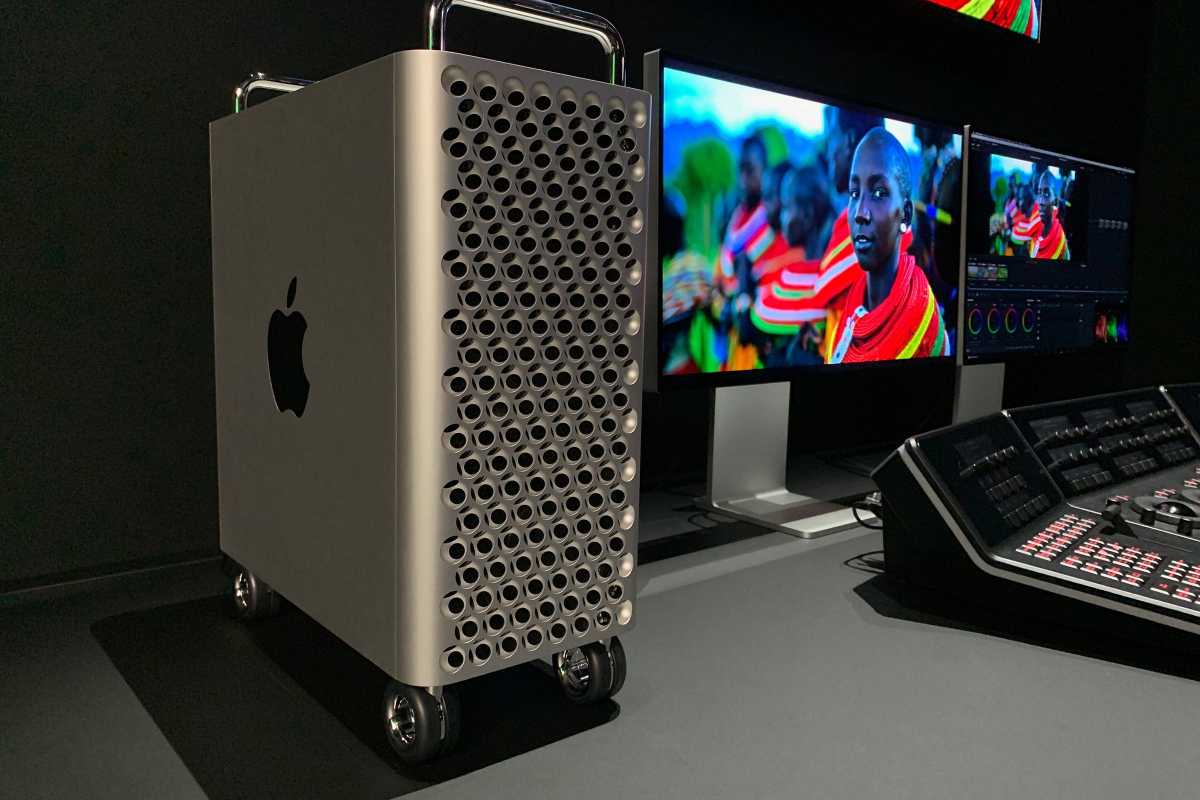
The Mac Pro has been on the way out of Apple’s lineup for a while.
Foundry
Apple never explicitly said the Mac Pro was going away, but the signs kept piling up. The discontinuation of the Pro Display XDR, the absence of the Mac Pro in marketing materials, and the increasing focus on the Studio lineup all pointed in the same direction.
Even rumors suggested that Apple had deprioritized the Mac Pro internally, with plans for future updates reportedly scrapped. Now, with the product officially discontinued, those signals make perfect sense in hindsight. It existed in the Mac lineup, but Apple couldn’t have sold more than a handful of them, if that.
The discontinuation marks the end of an era for the Mac Pro. For decades, it stood as the ultimate expression of Apple’s desktop ambitions: powerful, modular, and expensive. But Apple in 2026 is a very different company from the one that introduced the Mac Pro in 2006.
Today, efficiency and integration matter more than modularity. Apple Silicon has enabled the company to deliver workstation-level performance in smaller, quieter, and more affordable machines. It’s no wonder Apple just launched its most affordable laptop, the MacBook Neo, for just $599.
For professionals, the Mac Studio is now the logical choice. And for Apple, simplifying the lineup likely makes more sense than maintaining a niche product with limited appeal.
Still, for those who relied on the Mac Pro’s expandability, this change may feel like an ignominious end.
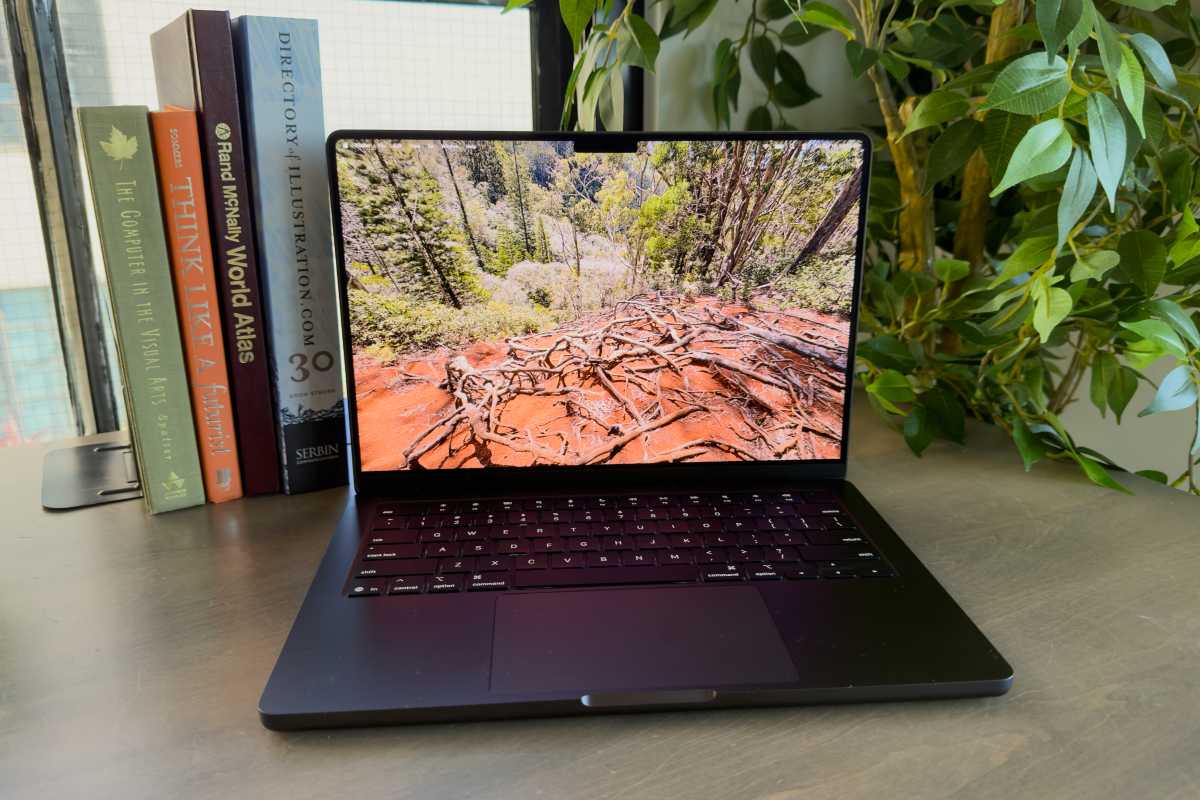
The MacBook Pro is the last remaining “Pro” model in Apple’s Mac lineup.
Foundry
What’s next for pro users?
Apple hasn’t announced a direct replacement for the Mac Pro, and it probably won’t.
Instead, the company is betting that the combination of Mac Studio, Studio Display XDR, and MacBook Pro will cover nearly all professional workflows. For the few remaining edge cases that depend on PCIe expansion, users may need to rely on external solutions or rethink their setups entirely.
The Mac Pro is gone. But in many ways, its legacy lives on in the performance gains that Apple Silicon has brought to every Mac. And for Apple, that seems to be enough.

